


.avif)


.avif)


.avif)


.avif)
.avif)


.webp)
.webp)
.webp)


.avif)




Hybrid Coworking Space
Hybrid work is no longer a stopgap. A well designed coworking space can anchor your team in a flexible, high performing workspace that connects home, hub and city without locking you into long leases.
- How hybrid coworking joins home working and office space into one coherent workplace strategy.
- Where hybrid coworking shines for teams: culture, community, productivity and cost.
- What to look for in membership, desking, meeting rooms and event spaces.
- How we at Found The Space use real case studies to match you with the right workspace solutions in London and beyond.

Hybrid Coworking Is Reshaping The World Of Work
Hybrid work moved from experiment to expectation for many office workers over the last few years, and the data backs that up. Recent UK figures show that around a quarter to a third of adults now split their week between home and the office, with about 26% alternating locations during a typical fortnight and roughly 28% identifying as hybrid workers.
These working arrangements sit within a broader shift towards hybrid work across sectors, with most companies now offering some mix of remote and in-office days rather than rigid five day commutes.
For many leaders, the question no longer centres on whether to offer a hybrid model, but how to make it genuinely work for their teams, budgets and culture.
That is where hybrid coworking enters the picture: a networked style of coworking space that lets a hybrid workforce plug into professional environments close to where people live, while still giving companies the control and consistency they expect from high quality office space.
The sector grew quickly before the pandemic, paused briefly during lockdowns, then accelerated again as remote and hybrid work cemented itself. Recent estimates suggest there are now well over 40,000 coworking spaces worldwide and that the global market could exceed 40 billion dollars within the next decade, with operators opening new locations worldwide to meet sustained demand.
Hybrid coworking fits neatly into this post-pandemic era, giving teams a third option between a pure home office set-up and a costly city headquarters.
A Hybrid Work Environment Turns Coworking Space Into A Real Base
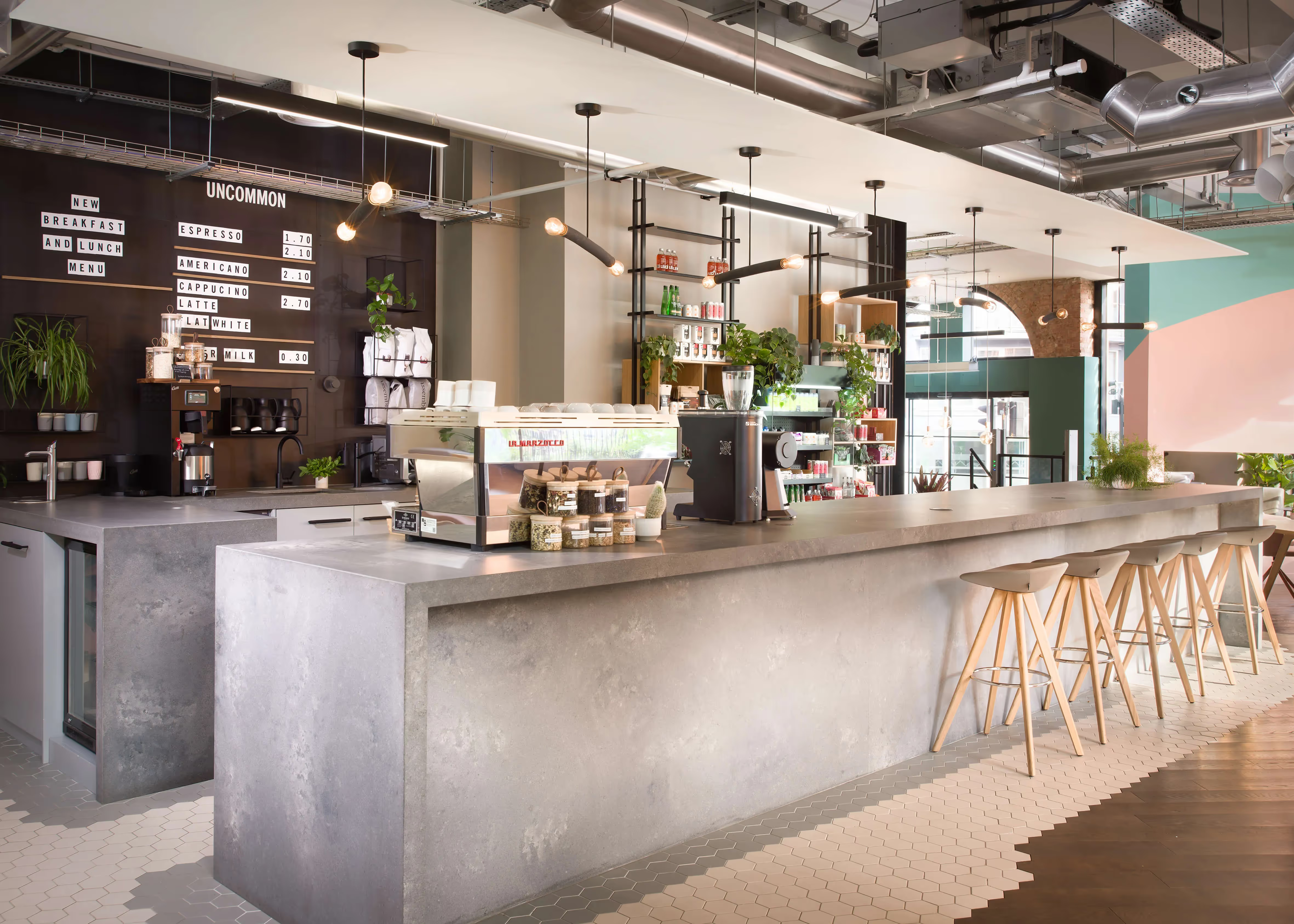
Hybrid coworking only works when the physical setting supports very different work environments on the same floor: quiet focus zones, buzzing collaboration areas and calm corners for one to one conversations.
Teams need a mix of dedicated workstation setups for core staff and hot desking for people who visit a couple of days each week, supported by ergonomic chairs, power everywhere and reliable Wi-Fi.
We usually recommend that clients think in activity types rather than counting every desk, then build out a balanced plan that layers open bench seating with phone booths, breakout corners and quiet libraries.
From there, the mix of meeting room sizes, small focus pods and larger town hall areas matters just as much as desk numbers, especially for teams that split time between client meetings, workshops and internal catch ups.
Key design details such as acoustic treatment, daylight, ventilation and clear health and safety standards make a huge difference to how welcoming a workspace feels on busy days.
The best hybrid hubs also share amenities with wider coworking facilities, from staffed receptions to bike storage and showers, so your team arrives ready to work rather than worrying about the basics.
Membership And On-Demand Access Keep Hybrid Work Fluid
A flexible approach to access sits at the heart of any successful hybrid workspace strategy.
Plenty of operators now offer on-demand coworking passes, letting people drop into a professional setting hourly or daily rather than committing to a full time contract.
For our clients, we often combine fixed seats for core teams with flexible arrangements for satellite staff, using flexible terms that keep real estate spend aligned with headcount.
Technology needs to feel seamless as well, from desk and room booking tools to access control that works across a wider co-working network.
Our role at Found The Space is to simplify that picture: we coordinate viewings across multiple providers, keep communication clear rather than pushy, and stay involved through heads of terms so clients are never surprised by hidden fees or differences between headline prices and the final agreement, all while our service remains free on the client side.
For global teams like Hopper we have built repeatable office solutions that roll out across cities, so one internal stakeholder does not have to juggle every contract and cultural nuance alone.
Hybrid Space Design Builds Community, Culture And Productivity
Many teams that opt for hybrid do so because they want office days to feel purposeful, social and energising, not just a change of scenery from the kitchen table.
The best coworking spaces act as a social hub, making coworking feel welcoming, and combining focused work areas with lounges, cafés and shared terraces where informal conversations spark ideas.
A curated sense of community, regular meet-ups and everyday networking opportunities help combat the isolation that can creep in when people spend too much time working remotely.
Research consistently links coworking to increased productivity and higher engagement, especially for professionals who would otherwise work from home on their own.
Surveys of workers in flex spaces report higher satisfaction and productivity than in many conventional offices, because the environment feels designed for how people actually do their jobs today.
Spaces that support collaborative work, clear communication and collaboration tools, and small rituals like team breakfasts or learning sessions tend to foster a deeper sense of belonging and a healthier balance between work and life for employees.
Our work with Lenus is a good example: their new London hub combines generous natural light, access to wellness facilities and outdoor terraces, giving health focused teams a space that supports focus, social connection and movement within the working day.
When people feel trusted to choose the right setting for the right task, they usually report a better work-life balance, and that in turn supports retention as well as performance.
Why Hybrid Coworking Works For Startups, Scaleups And Global Teams
Hybrid friendly space is no longer just a niche choice for a tech startup; our client base ranges from health brands and fundraising platforms to insurance firms and SaaS companies who all want more agility than a traditional office lease would allow.
Flexible work has become a default expectation across many sectors, and hybrid coworking lets employers build a workforce model where employees work where they are most effective, instead of forcing everyone into the same pattern.
Remote work gave people a taste of autonomy during lockdowns, yet many remote workers now tell us they miss clear boundaries and the buzz of colleagues around them a couple of days each week.
Others love the ability to work at home for deep focus, then drop into a buzzing hub for workshops, client meetings or team days when that makes more sense.
Some teams mix a city base with passes that suit digital nomads and travelling staff, using coworking networks that stretch across several countries so all colleagues experience a consistent standard.
A well planned hybrid work model also helps companies widen their hiring pool, since candidates who live further away can still connect meaningfully with teams through local hubs rather than relocating.
As offices shift from default base to purposeful destination, the workplace becomes somewhere people choose rather than endure, which has clear implications for culture, engagement and brand.
Our projects with clients such as Omaze and Formalize show how carefully chosen office space in managed buildings can support rapid headcount growth while keeping cost and commitment in balance, especially when the number of people using the office on any given day is still uncertain.
Those examples also highlight a wider truth: how, where and when people work is now a strategic question for boards, not just a facilities issue.

Designing A Hybrid Coworking Strategy That Works For Your Team
Hybrid coworking is ultimately about choosing a hybrid approach that fits your culture, your people and your clients, rather than copying someone else’s playbook.
As the future of work continues to evolve, leaders who treat workspace as a strategic asset and align it with their preferred way of working tend to see better engagement, easier hiring and clearer storytelling around what the office is for.
A modern co-working space can deliver the advantages of coworking without sacrificing brand, privacy or focus, especially when the operator curates programming, services and tech that create a consistent coworking experience within coworking spaces across a portfolio.
At Found The Space we sit on your side of the table, helping you shortlist locations, sense check pricing, negotiate terms and then stay involved after move in, because your needs will change as teams and revenue change.
Our work with Flo, PPL and others shows how clients can move from early co-working to more tailored managed floors when the time is right, without losing the flexibility that made shared space attractive in the first place.
Some of those clients now run town hall days every fortnight, bringing teams together in-person to collaborate, celebrate wins and reset priorities before everyone goes back to their usual pattern of work in a hybrid rhythm.
Over time, coworking spaces evolve with their members, adding new rooms, services and technology as demand shifts, which means your space can change with you rather than forcing a disruptive move every couple of years.
For leaders still weighing up their options, our advice is simple: start by listening to how your people describe a great day of hybrid work, map where remote work genuinely adds value, then design space, technology and rituals that support that pattern rather than fight it.
When you combine the right coworking space, a clear playbook for how and when people meet, and a broker who treats your brief like a long term partnership rather than a quick deal, hybrid working stops feeling messy and starts to give you a genuine edge in culture, hiring and performance.
Whether you are reshaping an established headquarters or opening your first hub, we are ready to help you find the hybrid friendly office space and workspace mix that keeps your team happy, productive and ready for whatever comes next.
FAQ's
Coworking spaces intentionally cultivate a diverse community by bringing together professionals from various industries. The open layouts, shared common areas, events and communal amenities encourage interaction amongst coworking office space members.
Coworking spaces cater to a diverse range of professionals and businesses, including freelancers, entrepreneurs, start-ups, remote workers, small teams, and even larger companies seeking a flexible and cost-effective private office space solutions. Coworking spaces appeal to individuals and teams who value flexibility, collaboration opportunities, and a dynamic work environment that fosters creativity and productivity.
Coworking spaces offer flexibility through membership-based access and the ability to scale office space as needed. Coworking offices foster a strong sense of community by bringing together professionals from various backgrounds, promoting networking and collaboration opportunities.
Private offices typically cost more but provide exclusivity for your business to have a dedicated space. Coworking spaces offer lower entry costs with the option to only utilise communal areas within a flexible office space environment.
WeWork has established a significant presence with their coworking office spaces across major cities, providing professionals and businesses the flexibility to work seamlessly from various locations.
















.avif)


.avif)


.avif)

.avif)

.avif)
.avif)
.avif)
.avif)


.avif)


.avif)
.avif)
.avif)

.avif)

.webp)


