






.webp)
.webp)
.webp)


We shaped hybrid workplaces before it became the default. Our team at Found was created in London to reinvent the search for workspace so it feels uncomplicated, efficient and enjoyable. Our service is free for the client, we get paid by the provider or landlord, and we use that freedom to help you find and shape office space that fits the way your employees work today.

Hybrid Work Is Now The Baseline
Hybrid is no longer an experiment, it is how a large share of the UK works. The Office for National Statistics reported that more than a quarter of working adults were hybrid workers in late 2024, with the figure reaching about a third for those aged 30 to 49 by early 2025. That spread reflects lived reality on the ground, a blend of office days and home days that varies by role and life stage.
Research from the Gensler Research Institute echoes the shift, showing most office workers want a hybrid model and still see the office as the best place to connect and build momentum together. The headline is simple, people value autonomy, and when the office genuinely helps them do better work, attendance follows.
Measurement is catching up with behaviour. CBRE’s global workplace and occupancy insights found the vast majority of surveyed occupiers now run some form of hybrid work program, with policies and attendance expectations evolving to match local conditions. Leesman’s large-scale datasets point to the same conclusion, hybrid is here and the quality of the workplace experience matters more than raw attendance charts.
We see the pattern across our client base. When we improve the work environment and design clear hybrid policies with leaders, office confidence grows and office attendance patterns stabilise. The outcome is not a swing back to a traditional office, it is a smarter format of office work that respects focus and flexibility.
Office Space Designed For Hybrid Performance
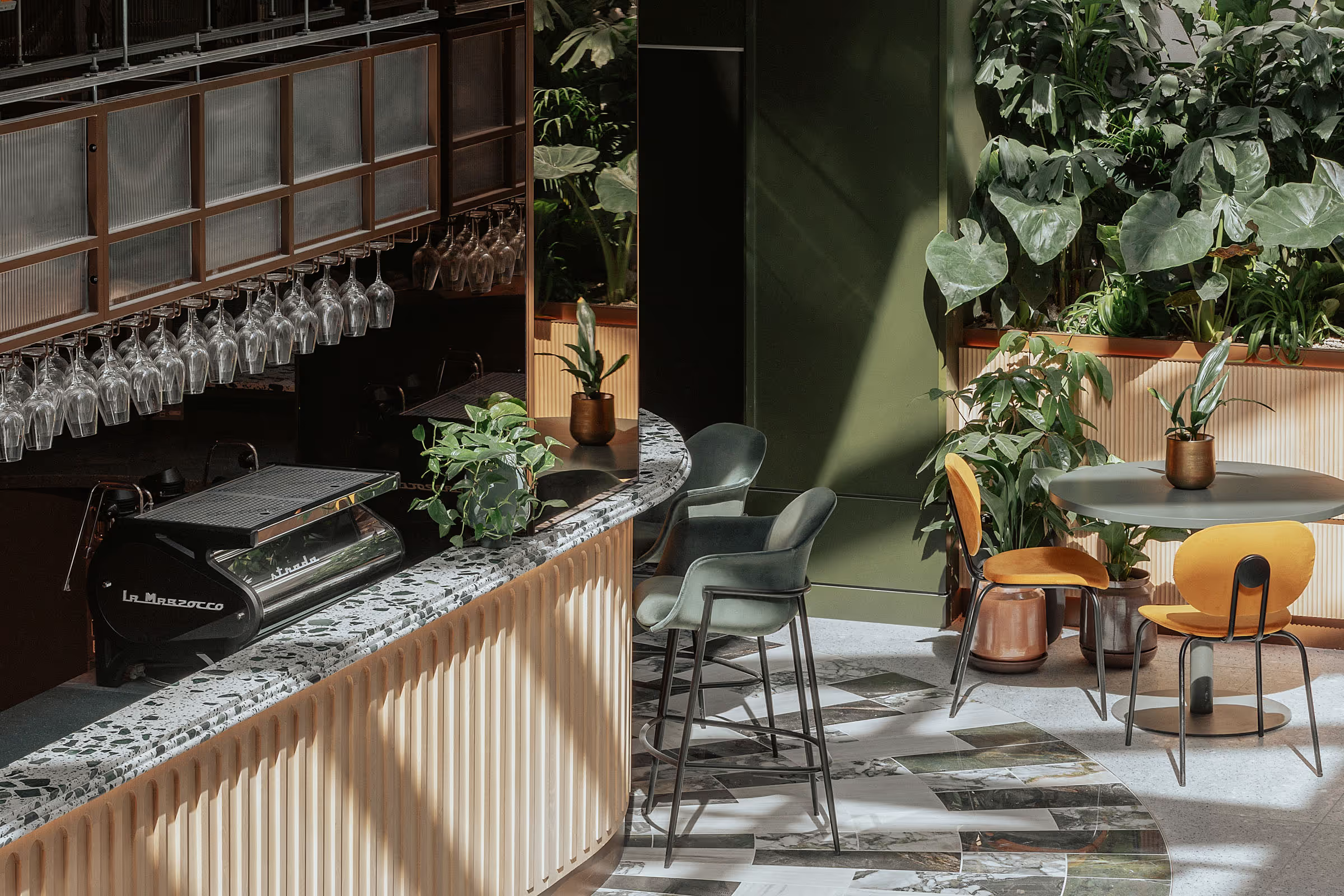
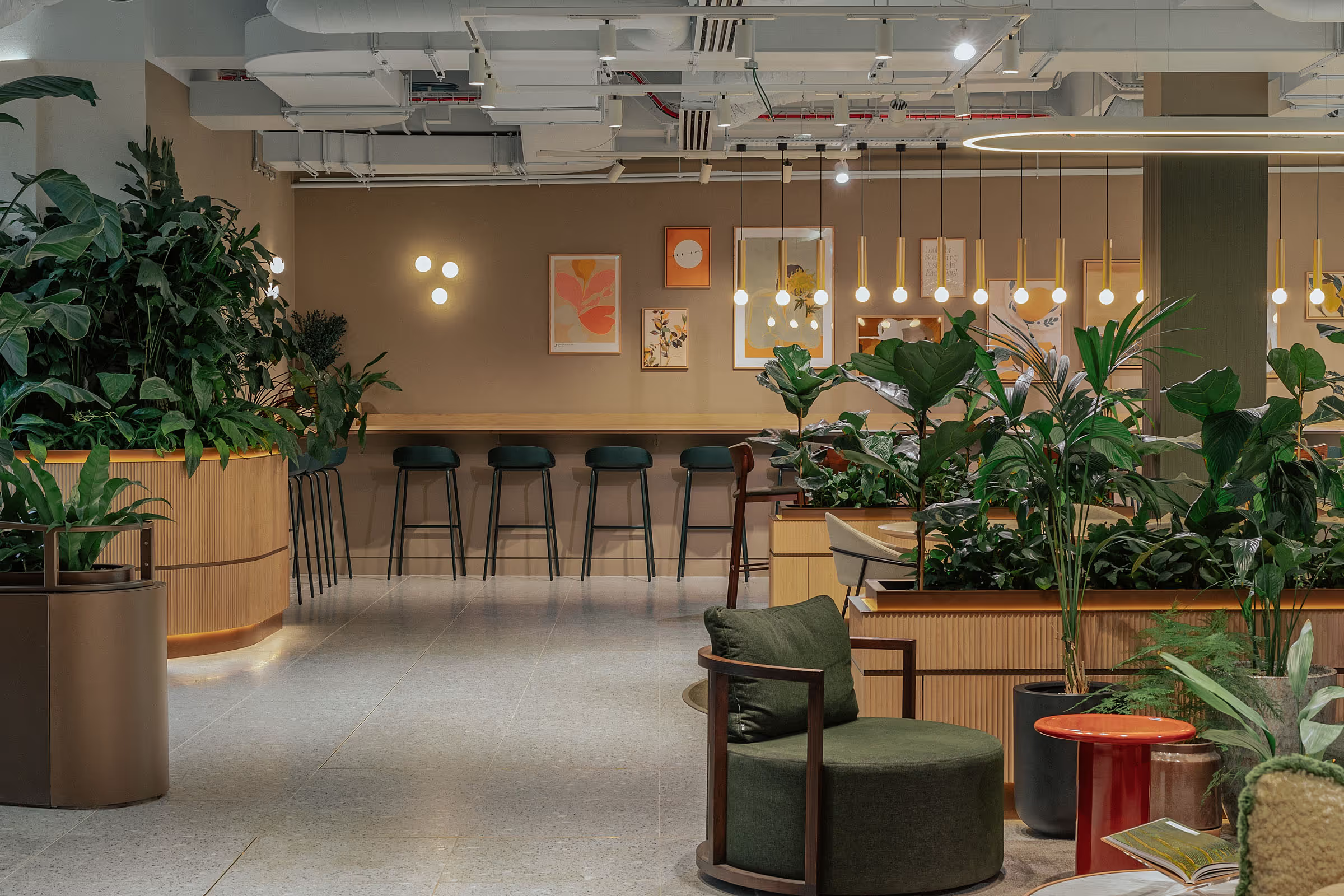
Hybrid work thrives when the office delivers something home cannot. That starts with workplace design that balances collaborative energy and quiet concentration. Teams need well-equipped collaboration spaces for workshops and project kick-offs, a reliable meeting room set-up that works first time, and private spaces where individual work is protected. The office environment also needs moments of relief, social spaces and breakout spaces that make chance encounters easy without disturbing focus next door.
Our hybrid office design playbook draws from research and project lessons. Gensler’s 2024 findings show high-performing workplaces mix choice, proximity and clear intent. That means planning an office layout where people can shift between zones without friction, and where tech, acoustics and comfort remove the small frictions that drain a day. Microsoft’s Work Trend Index adds a useful truth, people want a reason to go to the office beyond a mandate, and many business leaders are rethinking spaces to accommodate hybrid, with tools that reduce coordination pain.
Our work with Flo is a good example of how space choices shape culture at scale. The brief called for a single floor with over 100 desks plus layered settings, larger and smaller rooms, phone booths, a library, wellness, kitchens and an all-hands area. The result gave the hybrid team a place to gather, focus and broadcast, all on their terms.
Hybrid Work Needs A Clear Brief
Hybrid work succeeds when leaders choose a hybrid working model, then back it with a space strategy that fits real-world tasks. We help executive teams define the hybrid model that fits their goals, whether office-first hybrid with three days in the office, or a lighter rhythm. The policy matters, yet the space must express it, with a smart office set-up that reduces friction at every turn.
Leesman’s analysis shows that home still outperforms many offices on certain activities, which means the bar for a perfect hybrid office is higher than it used to be. The design response is not more furniture, it is better intent with spaces designed for the moments that truly benefit from being together and tools that make hybrid meetings work well for remote workers and people on site.
Our guidance keeps language plain. We map working arrangements by team, not just department, then translate working practices into space settings. We make sure employees work patterns are considered, and that collaborative work happens in rooms set up for clarity rather than compromise. A hybrid team needs certainty on availability, a booking tool that is easy to trust, and a visible cadence so hybrid workers do not arrive to an empty floor.
Designing A Hybrid Workplace Without Waste
The best hybrid workspace avoids unused space and delivers value on days with lower office attendance. CBRE’s latest insights point to portfolios shifting towards flexibility, with many occupiers reporting sub-60 percent utilisation on average and rethinking their office footprint to match hybrid work patterns. That does not mean less ambition, it means more precise briefs and flexible spaces that adapt across the week.
We address the cost side in practical ways. Right-sizing the number of desk positions, introducing team-based neighbourhoods and specifying rooms that flex from project space to event spaces preserves energy in the entire office. A smart sequence of room sizes, one reliable meeting room for eight, a couple of four-person rooms and a few phone booths, removes pressure on the plan. People who work remotely part of the week still feel welcome when they arrive, because the plan anticipates peaks and dips rather than fighting them.
When Omaze faced hyperscale growth and shifting hybrid attendance, we prepared a provider and amenities comparison that linked features to expected in-person engagement. The approach helped the client commit to the right hybrid space, and we negotiated a no-cost interim suite in the same building while the permanent option came free. That is hybrid planning in action, matching time, budget and culture.
Hybrid Office Choices That Support Culture
A clear hybrid work policy belongs alongside thoughtful workplace design. Microsoft’s research shows most people want flexible working to continue and respond when offices support community and focus. JLL’s Future of Work work points in the same direction, leaders are formalising hybrid policies and investing in places that earn the commute. We translate that into rooms, technology and rhythms that make collaboration in the office feel rewarding.
Our work with Lenus highlights how fast change can be when the brief is tight. We secured a London office within three weeks, ready to run with 130 desks, three rooms, seven booths and wellness features. The office was designed for hybrid from day one, and the company scaled across nine countries with a consistent scheme that made working in the office feel energising, not forced.

Offices In London: Market Realities You Should Know
London remains rich with choice across leased floors, managed suites, coworking spaces and a serviced office offer that has matured significantly. Our focus on offices in London means we see and hear the nuance. Demand for office space is strongest where the building delivers fresh air, light, transport and amenities that draw people to go to the office because the day will be better. The office sector is still resetting after years of remote and hybrid patterns, with many companies seeking less space overall while raising quality. CBRE’s European reports describe companies pushing for higher engagement while preserving flexibility, a balance we see daily in tours and negotiations.
The practical questions are familiar. How many seats, what mix of private office rooms versus open plan, which event spaces or social spaces move the needle, and how should the plan flex for part-time office rhythms. We translate those questions into options with clear numbers and clear trade-offs. Our service is free for the client, so the advice is geared to your outcomes, not ours.
A Step-By-Step Way To Design A Hybrid Workplace
We begin with data, from policy to occupancy. Attendance targets such as three days in the office only work when the plan helps people do their best work. We test a baseline week, then design a cadence that reduces clash between focus and collaboration. We set a capacity range so the office can absorb peaks after the return to the office drive or a product launch without pain. We also design for choice, private spaces for deep work, collaboration spaces for co-creation and social spaces that reward the commute.
Technology underpins the plan. A Wi-Fi set-up that never drops, room screens that support remote and hybrid participants without delays and a desk booking tool that respects personal preferences make or break hybrid. Microsoft’s work shows that people want purposeful presence, so we create spaces and rituals that make it easy to decide when to work from the office and when to work from home, without judgement.
Policy clarity matters. A simple hybrid working environment guide, what days matter for each team, what happens on shared rituals, how to handle in-office work that spans time zones, beats a vague memo. Data shows the quality gap between home and many offices, so every choice must narrow that gap, from acoustics to light to posture.
What A Hybrid Office Looks Like Day To Day
A Monday might start with a stand-up in a space designed for hybrid, cameras at eye level and audio that respects both on-site and remote workers. Mid-morning shifts to individual work in a quiet zone, then a working session in a project room. Lunch might spill into social spaces that double as informal town hall settings. Afternoon meetings include one hybrid team of partners joining from abroad, then a final hour in a library-style area where screens and posture help concentration. People work remotely tomorrow, so the office clears without waste thanks to a booking system that learns the rhythm of hybrid work patterns.
The office layout supports those moments rather than getting in the way. A mix of flexible spaces and clear wayfinding reduces time lost to hunting, and a fair share of small rooms respects private calls without pushing noise into open areas. A few well-chosen pieces, soft seating in breakout spaces, moveable whiteboards, and one great video wall for all-hands, lift the feel without turning the floor into a showroom. A smart office set-up can even nudge capacity by showing live peaks and directing people to quiet zones.
Real Projects, Real Hybrid Outcomes
We help clients move towards hybrid with confidence rather than pressure. For a tech client facing a potential staff backlash over a location shift, we guided them through models outside a corporate tower and into a landmark managed floor that offered presence without baggage. That choice protected office culture and proved that a flexible office can still feel premium.
Our global work with Hopper shows hybrid at international scale. One stakeholder was trying to coordinate dozens of sites across time zones. We created a repeatable workplace scheme that fits remote and hybrid teams, placed 25 plus regional groups into the right mix of suites and coworking, and kept the experience consistent from Montréal to Madrid.
When budgets feel tight, we negotiate terms that keep options open. A rent-free period, a landlord-funded fit-out or a flexible term can make the difference while you test new hybrid working. Our Formalize project delivered a lower monthly cost, a funded build and a two-year term that aligned with growth, proof that the right deal structure can accommodate hybrid without locking you in.
Planning The Numbers Without Guesswork
Leaders often ask how to set the number of office seats and rooms. The answer comes from real behaviours, not a spreadsheet alone. We assess peaks, role needs and team rituals, then right-size the plan. That may mean fewer fixed benches and more rooms that flip between uses, or a current office that stays, with a neighbouring swing suite for high months. A high office standard beats a large but tired floor, and a plan that anticipates change avoids costly churn.
We consider the small stuff too. A desk that fits dual monitors and a stool for huddle moments. A meeting room with cameras at eye level and sensible cable paths. Quiet nooks for individual work and a private office or two for confidential calls. A policy that respects people who work remotely part of the week but still want a sense of place when they walk through the door. A fair scheme for hybrid workers who travel across sites. A short note on safety for remote workers who might not have a perfect set-up at home.
The London Lens On Hybrid Space
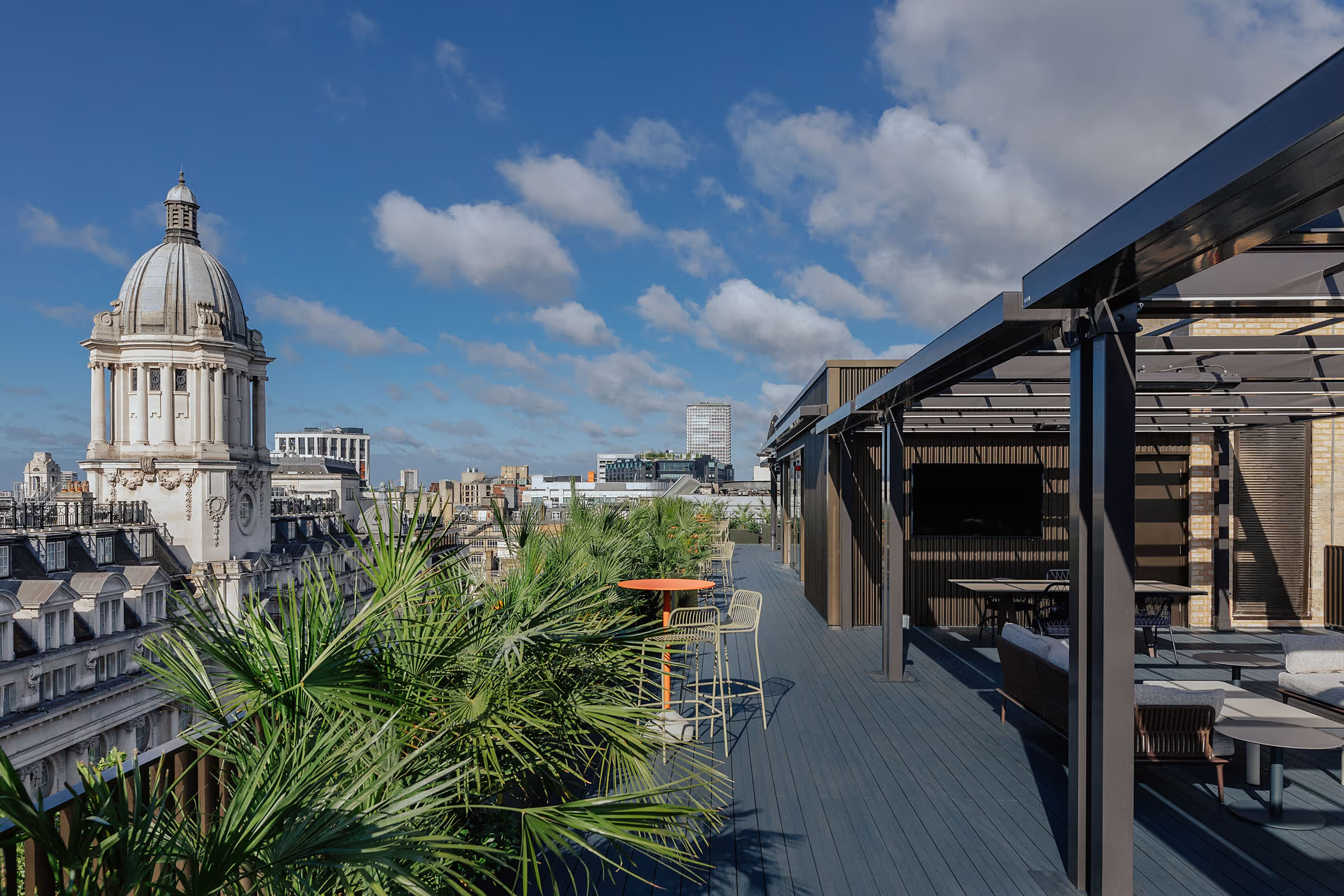
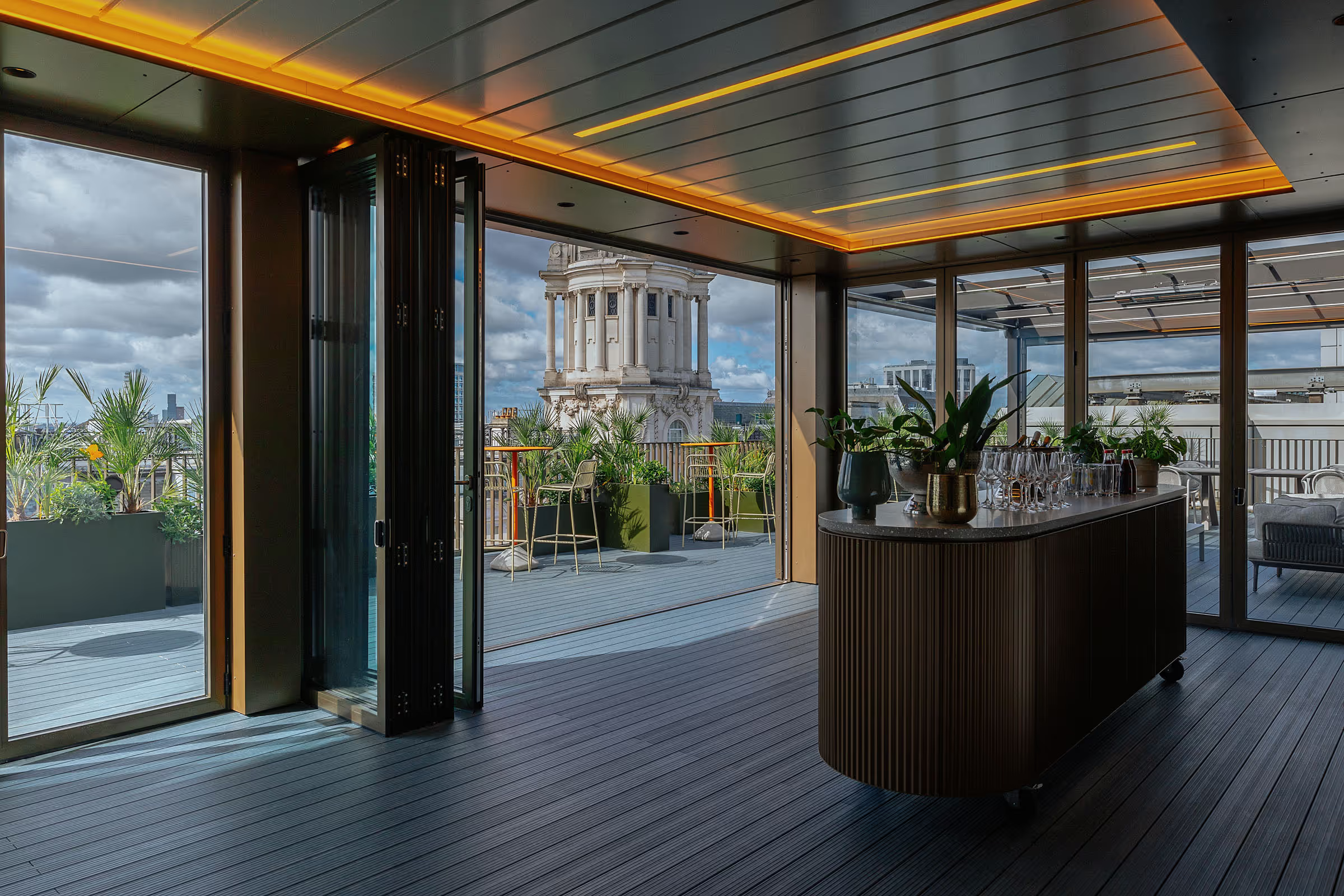
London is a city of choice, from character warehouses to premium towers, and from boutique managed floors to a hybrid space in a heritage building with its own terrace. Companies now look for less space, but better quality. Many ask for a part-time office solution that scales with seasonality, or a floor that can host quarterly gatherings without sitting empty the rest of the time. Providers have responded with flexible office models that include credits for event spaces and upgrade paths as teams grow. The trend lines show a move towards hybrid that keeps brand and belonging intact, rather than a blunt return to the office push that ignores why people come in. Guardian reporting through 2024 and early 2025 captured the tension, yet the aggregate data still points to hybrid as a lasting norm.
We help you read the market, then act quickly, whether that is a serviced office while a bespoke floor is built, or a managed suite that gives you brand control without operational drag. Our fees remain zero on the client side, which keeps our advice focused on outcomes.
From Vision To Move-In, With One Team
Our process is simple and hands-on. We define the brief, run targeted viewings, compare apples with apples, and negotiate terms that reflect hybrid reality. We coordinate with designers to design a hybrid workplace that feels like you, then bring in furniture, AV and move partners. We return after launch to tune the plan once people have lived with it, a small investment that pays back quickly. We also help to create hybrid rituals, from show-up days to maker mornings, so the policy lives in the space rather than on a slide.
The goal is a space designed for hybrid that people enjoy, a policy they respect, and a plan that can breathe. That is how you accommodate hybrid without wasting capital, and how you build spaces for employees that win hearts and deliver results.
Your Next Step
If you are shifting towards hybrid or refining the rhythm you already run, we can help you create hybrid office designs that work. We will show you options across London and beyond, map the cost and the impact, and handle the detail so your teams can focus on the work that matters. Our client-side service is free, and our track record spans fast moves, complex negotiations and global rollouts.
Talk to us about your existing office, your existing space and your new hybrid working ambitions. We will make sure the plan respects work from the office and work from home, supports collaborative momentum and quiet focus, and fits the budget without fuss.
FAQ's
Yes — flexible office space in London is widely available through serviced and coworking operators. These allow you to scale up or down monthly, ideal for startups, project teams, and hybrid working models.
Coworking spaces cater to a diverse range of professionals and businesses, including freelancers, entrepreneurs, start-ups, remote workers, small teams, and even larger companies seeking a flexible and cost-effective private office space solutions. Coworking spaces appeal to individuals and teams who value flexibility, collaboration opportunities, and a dynamic work environment that fosters creativity and productivity.
WeWork has established a significant presence with their coworking office spaces across major cities, providing professionals and businesses the flexibility to work seamlessly from various locations.
Private offices typically cost more but provide exclusivity for your business to have a dedicated space. Coworking spaces offer lower entry costs with the option to only utilise communal areas within a flexible office space environment.
Yes, many serviced offices and coworking spaces in London are now pet-friendly, particularly in creative areas like Shoreditch, Clerkenwell, and King’s Cross. These spaces welcome dogs (and sometimes cats) to create a more relaxed and inclusive workplace culture. Brokers can help you find London offices where pets are allowed and confirm any building rules before you sign.

















.avif)


.avif)


.avif)

.avif)

.avif)
.avif)
.avif)
.avif)


.avif)


.avif)
.avif)
.avif)

.avif)

.webp)


