


.avif)




.avif)


.avif)
.avif)


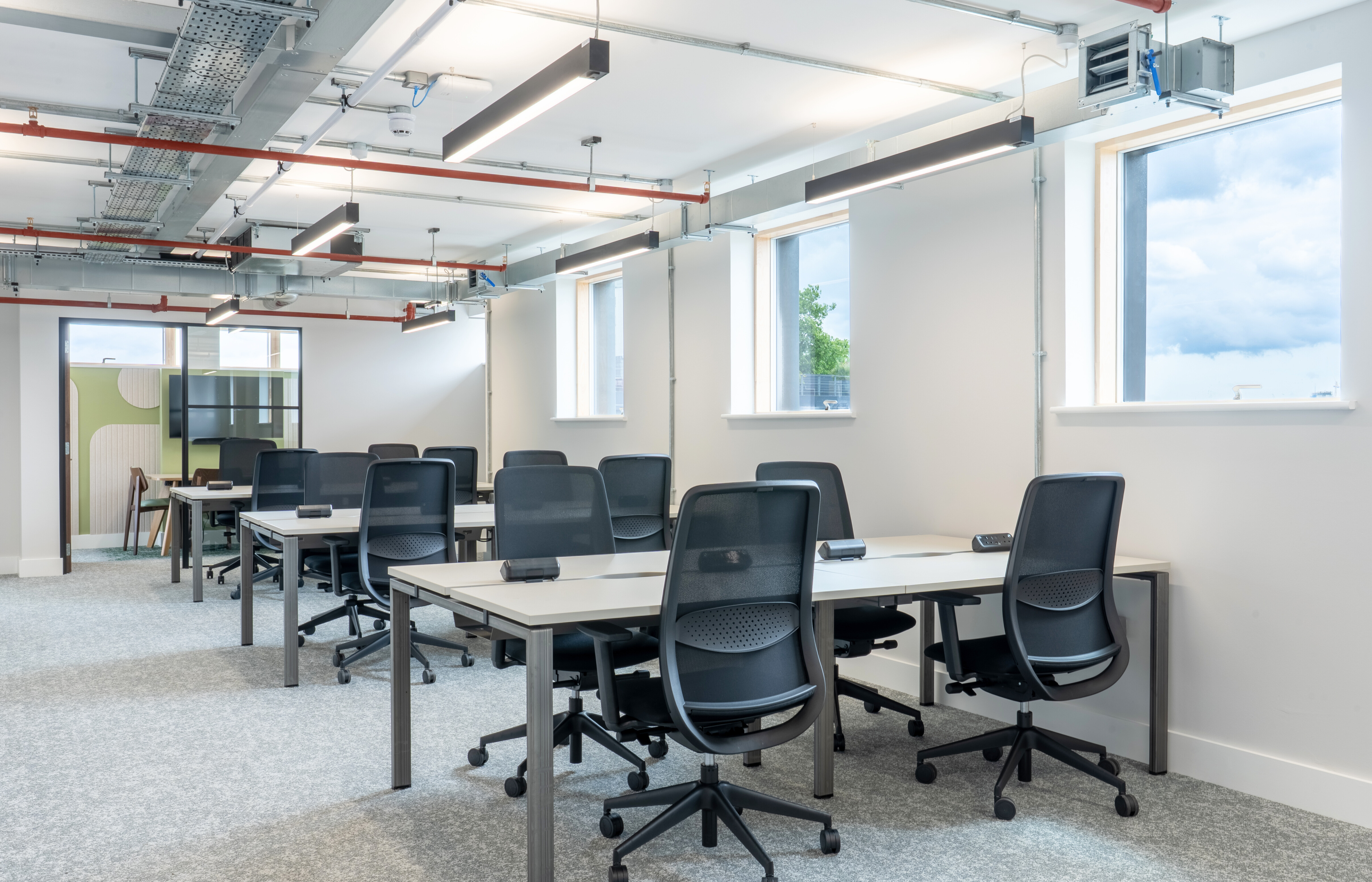


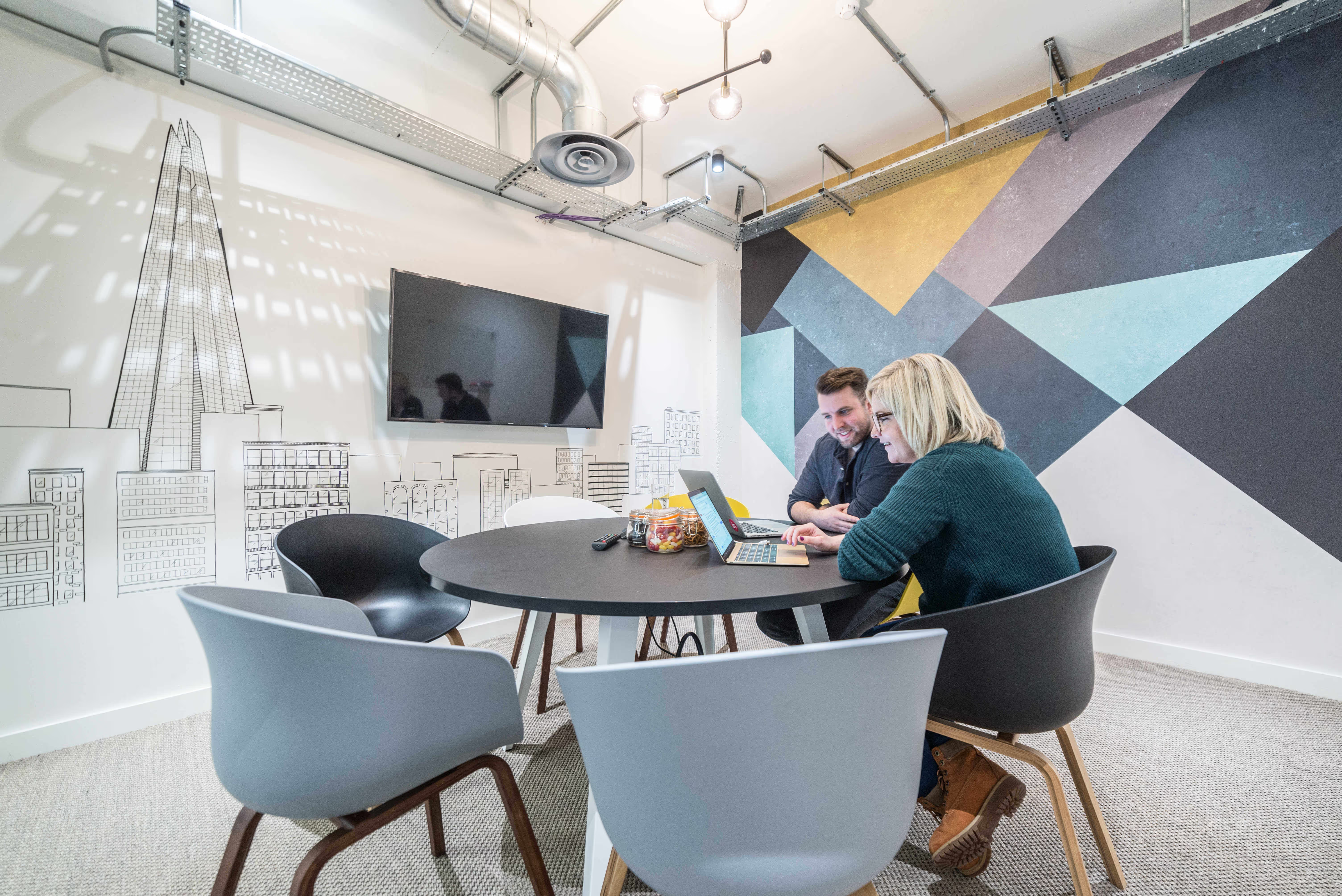


Choosing a coworking space London bridge usually pays off when your team needs fast commutes, client friendly meeting space, and a neighbourhood that feels energising rather than corporate. London Bridge gives you a compact zone where a workspace can flex from a day pass to a private office, and where the right meeting room setup often matters more than the headline price. Transport, culture, and talent pull all stack up here, so the main job is matching our working rhythm to the right building and the right membership.
- London Bridge works best when we prioritise quick commutes and easy client access, plus reliable meeting room availability.
- We should decide upfront whether we need a hot desk, a dedicated desk, or a private office for focus and brand control.
- Good setups include quiet zones, phone booths, and breakout spaces, so calls and deep work stay calm.
- Pricing is easiest to compare when we check what’s included, especially IT, printing, and meeting room credits, plus VAT clarity.
- Our shortlist should focus on the micro locations, Borough, riverside, or towards Bermondsey, because the day-to-day feel changes fast street by street.

London Bridge Offers A Business Base With Great Transport Links
London Bridge is a serious hub for commuting and client meetings. Tube services include the Jubilee and Northern lines, plus the station also connects via the Overground network, which makes it practical for teams coming from different parts of London. (Transport for London)
National Rail matters just as much for mixed commuter patterns, especially when leadership or clients come from the south and southeast. London Bridge has extensive facilities and connectivity, so it often reduces friction for hybrid days when attendance peaks. (National Rail)
Local place making is another quiet advantage. Team London Bridge, the local BID, focuses on making the area safer, more sustainable, and more engaging for businesses and visitors, which is the kind of ongoing stewardship we like to see when we commit to a location. (Team London Bridge)
Borough And Bermondsey Give Us Two Distinct Working Moods
Borough gives us the classic London Bridge energy: busy streets, quick lunches, and plenty of places to take an informal chat after a meeting room session. Borough Market is the obvious anchor, and it’s a genuinely useful perk for team days and client hosting when we want something better than another sandwich chain. (Borough Market)
A short walk shifts the tone. Bermondsey Street tends to feel more design led and slightly calmer, which can suit teams that want character without the constant rush. That contrast is why we treat the London Bridge area as a set of mini neighbourhoods, not one blob of postcodes.
Views and riverside walks help too, particularly when the week is meeting heavy. A quick loop along the thames is an easy reset between calls, and it makes around London bridge feel bigger than it is.
Coworking Options Range From Day Pass Flexibility To Dedicated Setups
Coworking in London Bridge works because it can match almost any working style without forcing a long commitment. We normally start by deciding whether we need trial access or a predictable base:
- A day pass is best when our team comes together occasionally, or when we want to test commute patterns before we commit.
- A hot desk suits mixed schedules, and it pairs well with hot desking policies where attendance shifts week to week.
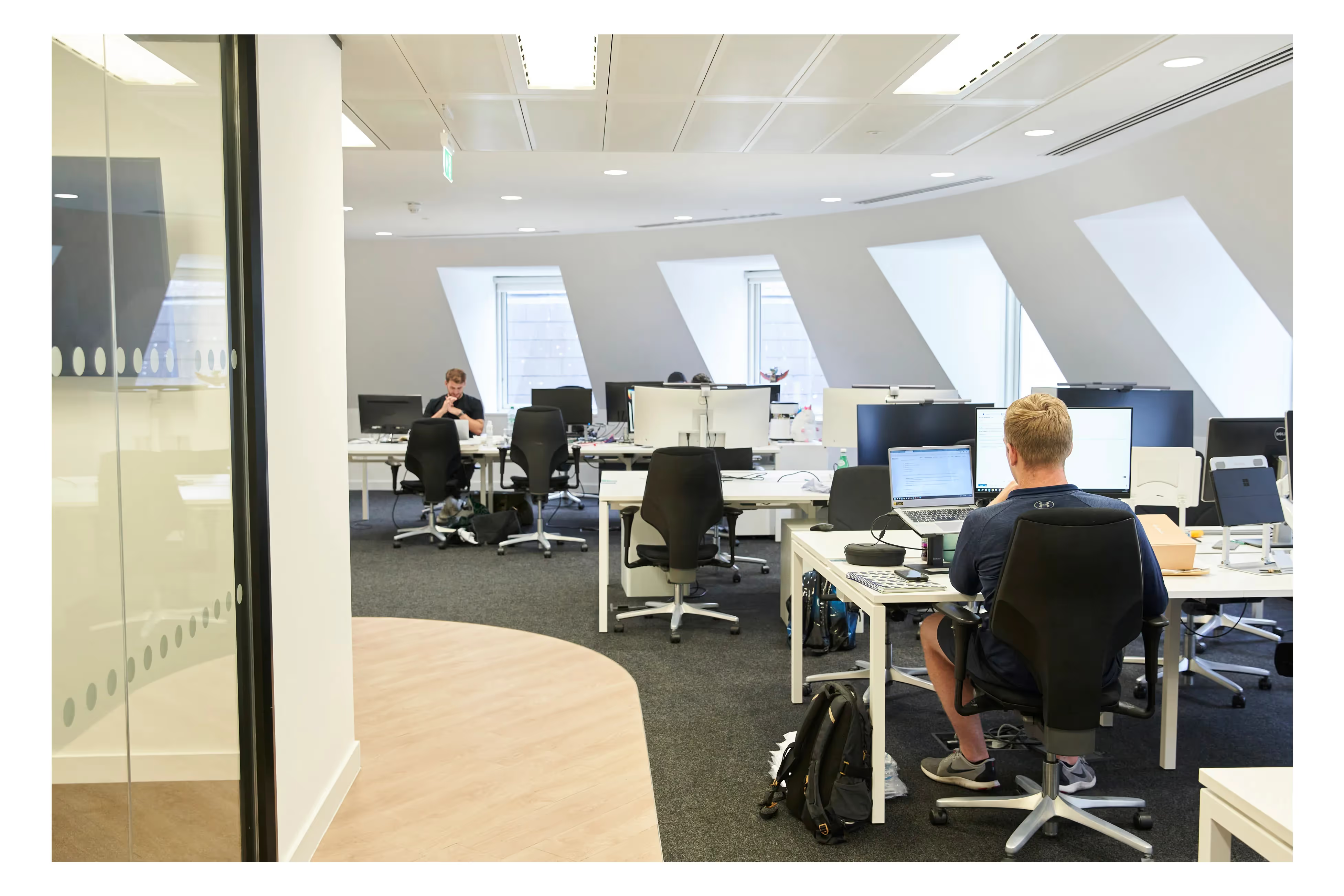
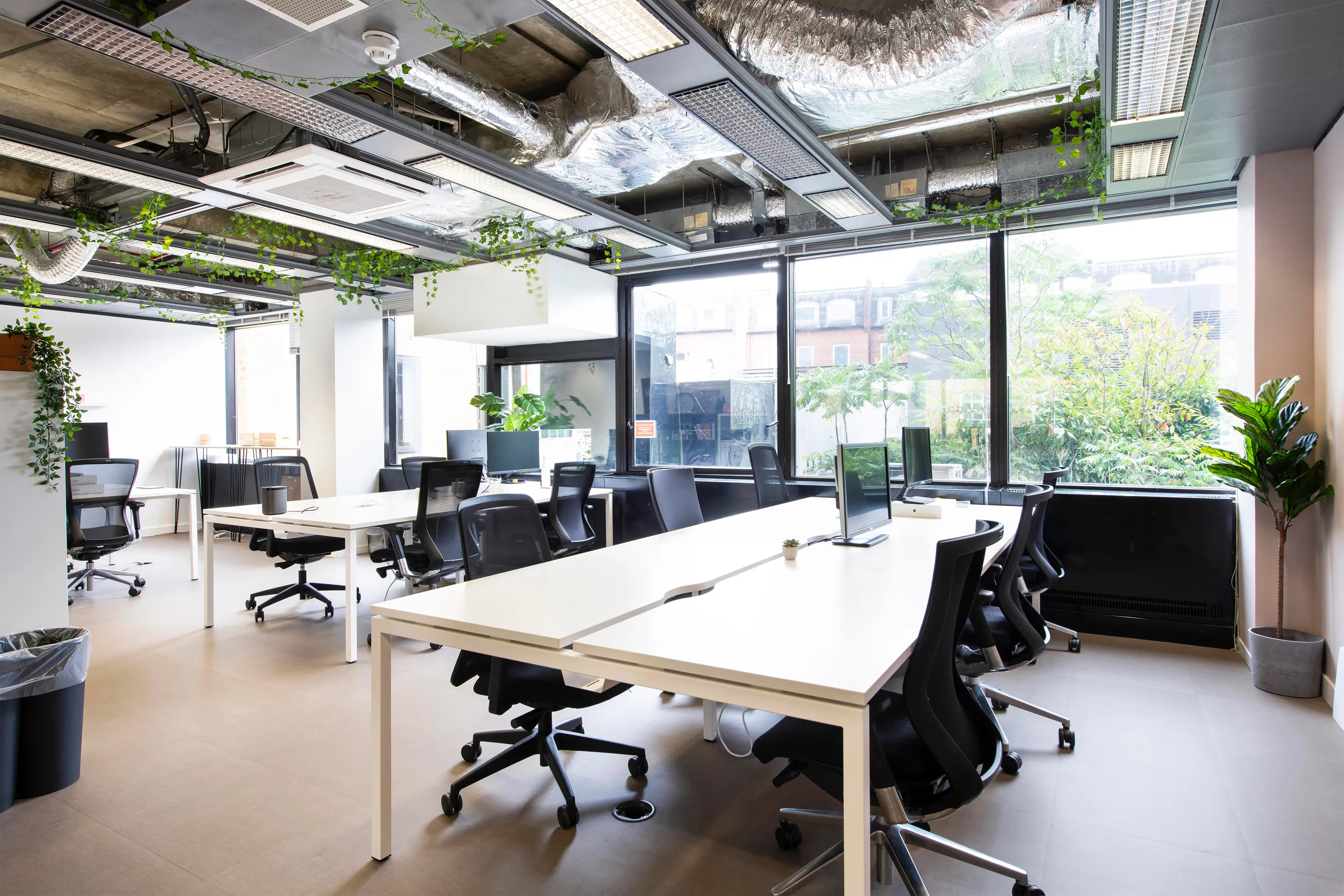
- A dedicated desk is ideal when we want the same spot and storage, without stepping up to a full private office.
Many teams ask us what they should budget. Benchmarks vary by spec and inclusions, yet we can still sanity check. Found’s published London ranges put serviced desks broadly in the mid hundreds per month, and that context helps us avoid overpaying when we compare like for like. (foundthespace.com)
Fit-out and supply constraints also shape the wider market right now, which is why flexible workspace choices remain popular in 2026. (Oktra)
One practical tip: pricing is usually quoted per person per month, and we always check what the membership actually gives you access to, especially printing, guest policies, and meeting room time. Our aim is simple: options to suit our headcount today, with a plan for growth.
We also keep the language precise when we brief: teams often say “coworking options” when they really mean a mix of quiet focus and bookable collaboration. That’s why we treat flexible workspace options as a service bundle, not just rooms with desks.
Meeting Room Provision And Acoustic Privacy Make Or Break The Day
London Bridge is a meeting dense location for many businesses, so we treat the meeting room plan as a first-class requirement. Our rule of thumb: if we expect external visitors or heavy collaboration, the meeting room ratio needs to be generous, otherwise the space feels stressful no matter how pretty the lobby is.
A good setup usually includes:
- A primary meeting room that suits team sessions and client presentations
- One or two smaller meeting room options for 1:1s and interviews
- Sufficient phone booths for private calls
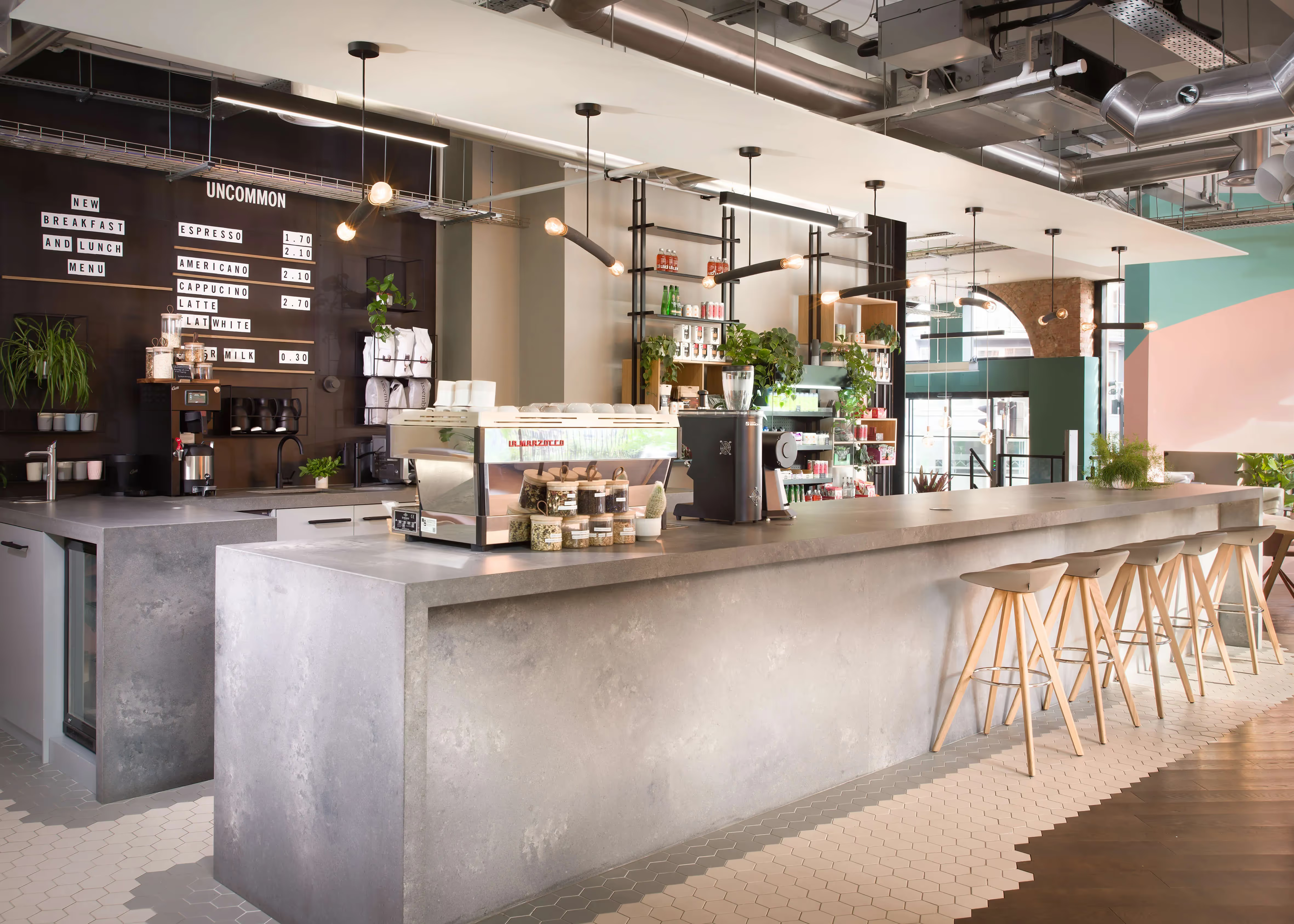
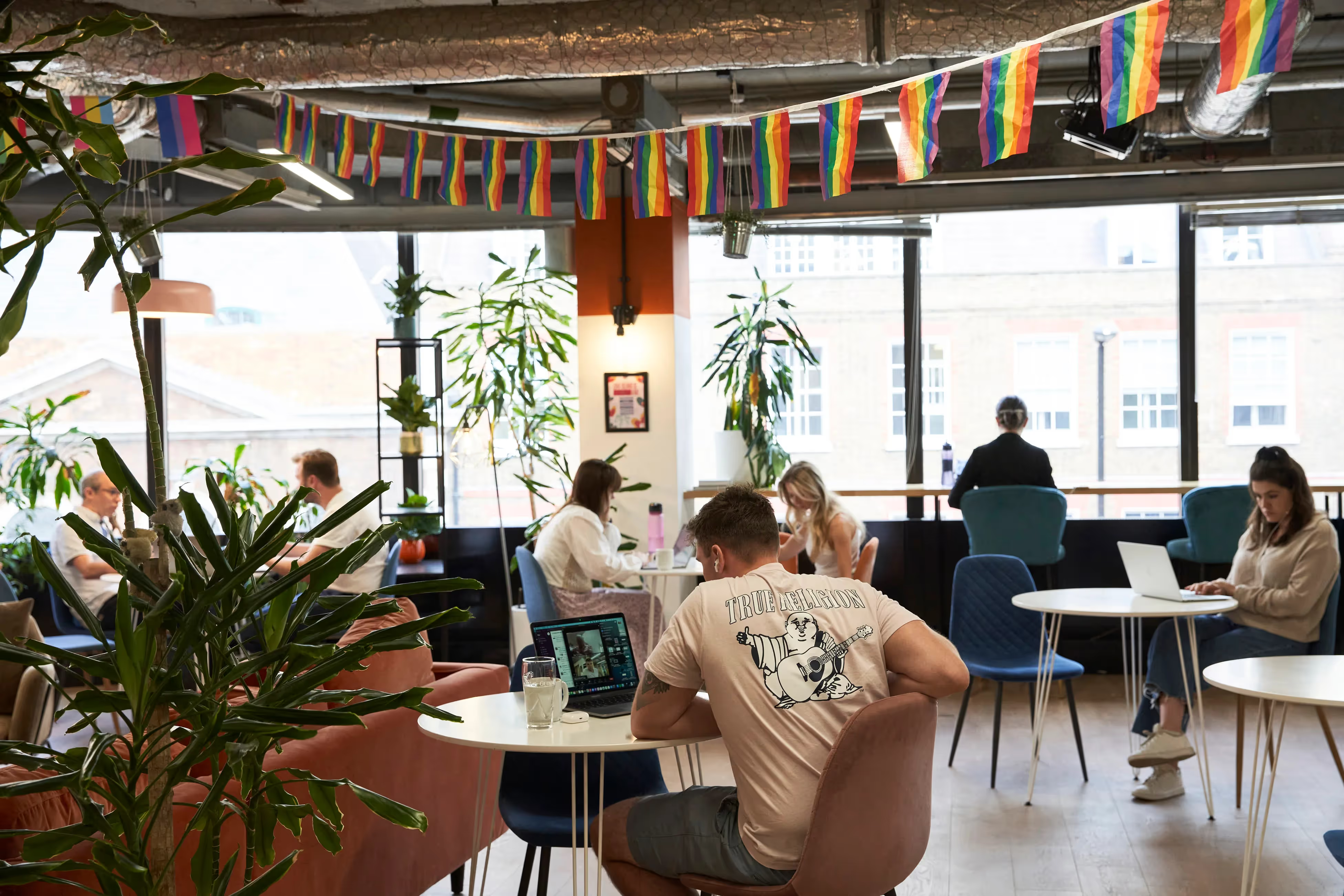
- Relaxed breakout spaces for informal chats and quick laptop work
Internet and AV are non-negotiable too. We look for high-speed internet that stays stable under load, plus simple screen sharing in every meeting room, because tech friction kills momentum. Natural daylight matters as well, and natural light still correlates with how long teams happily stay in the office.
Operational detail is where many spaces fall down. A helpful on-site team, clear booking rules, and transparent overage charges protect our calendar. Our best outcomes come when we can use offices and meeting rooms without feeling like we’re competing internally for resources, which is what supports productivity and collaboration.

Office Space Choices Beyond Coworking Keep Control On The Table
Flexible coworking spaces can be the right long-term answer, although growth often changes the equation. Once headcount, brand, or compliance needs rise, a private office or even a flexible office arrangement can give more control while keeping speed. This is especially relevant in a flexible office market where demand for good quality, fitted space remains resilient, and smaller, ready-to-use options are a big part of active requirements. (Savills)
Macro conditions also influence decision making. Some firms delay commitments during uncertainty, which tends to increase interest in shorter, more adaptable deals, a pattern reported in recent UK market coverage. (Reuters)
Our view is practical: flexible office space works when we want privacy and brand presence without the overhead of a conventional lease. Conventional leasing can still be right for larger occupiers, although it comes with more moving parts across commercial real estate, from fit-out to dilapidations. The key is choosing the right model for the next 12 to 24 months, not trying to predict the next five years perfectly.
Our London Bridge Case Studies Show How Space Supports Growth
Our work around London Bridge has repeatedly shown that the “best” solution depends on scale and identity, not trends.
Cognism is a clear example. Leadership needed straightforward connectivity around London Bridge, and we secured almost 13,000 sq ft in The Shard, creating a long-term home that matched their growth and brand ambition.
Flo shows the other side of the curve. They outgrew a shared setup and needed a purpose-built floorplate with over 100 desks, multiple meeting spaces, and a culture-led layout, including wellness features and dedicated collaboration zones.
Lenus proves speed can still come with quality. We delivered a ready-to-use office in three weeks with 130 desks, multiple collaboration rooms, and seven phone booths, which is the type of execution that keeps a business steady during disruption.
Those stories are why we don’t tringle category. The right plan can run from desks to private suites, and the deciding factor is usually the space’s ability to scale without wrecking culture. London Bridge sits at the centre of that tension, because one of London’s mdistricts attracts both early-stage teams and established firms.
Our Process Avoids The Common Booking Friction
Complaints about workspace search often come down to process issues: missed viewings, confusing comms, inconsistent cancellation rules that change once VAT appears.
We solve this by running a clear, advisor-led process that keeps accountability with one team and one written paper trail. Every shortlist includes what is included, what is optional, and what could change at contract stage. That way, we can compare options fairly and avoid surprises. We also respect teams who do not want endless follow-ups: our comms stay useful and time-bound.
Our service is free to clients, and we stay relationship focused, which is why many clients keep us involved beyond one transaction. Found also released Found Ai in January 2026, so ou human advice with an AI driven way to scan live availability and refine requirements fast.
Get In Touch And Book A Tour Today
Our goal is to help us choose the right space with clear trade-offs, not to drown us in listings. If we want a coworking space near London bridge and near London bridge station, or we’re weighing office space in London bridge versus a coworking space in London bridge, we can tighten the shortlist quickly by starting with meeting patterns and privacy needs.
A practical next step: book a tour of two contrasting buildings, one geared for focus, one geared for collaboration, then decide which frictionhat approach usually helps us find the perfect fit faster than reading another listicle.
For teams comparing coworking spaces in London, we also sense-check against the whole map, sometimes around London, because the best outcome is the one that supports hiring and retention, not just a postcode. London Bridge is located in the heart of central access, and it can absolutely help us attract top talent, yet only when the details match how we work.
If we want our own recommendation set, get in touch, tell us headcount, budget, and meeting intensity, and we’ll propose a space to suit the next stage. Book a tour today and we’ll keep it simple.
The London Bridge Decision Checklist We Use Internally
We use this checklist when we compare a co-working space, a more formal office space, or a workspace in London bridge membership:
- Does the London bridge workspace plan include enough meeting room time, or do we pay overage every week?
- Can we rent a dedicated desk now, then step up later with flexible terms and genuinely flexible options?
- Does the building have a dependable meeting room booking system, plus backup phone booths for calls?
- Are we choosing a desk in a shared office because we want community, or because we have not defined our privacy needs?
- Does the space feel like a perfect workspace, with calm acoustics, reliable support, and room to grow your business?
- Does the location support clients as well as our team, from Borough to Bermondsey, without compromising day-to-day space to work?
A final note: coworking spaces also provide more than desks when done well, they create a community of professionals, they help us make new connections, and they can enhance your coworking experience when the basics are right. The outcome we’re aiming for is simple: space in London bridge that feels effortless on a busy Tuesday, not just impressive on the first viewing, and that holds up for the whole of London footprint we actually operate across. Also, spaces across the city can look similar online, yet the best London Bridge choices feel different the moment we step inside, especially when meeting room access is treated as essential, not an add-on.
FAQ's
Yes — flexible office space in London is widely available through serviced and coworking operators. These allow you to scale up or down monthly, ideal for startups, project teams, and hybrid working models.
Brokers provide shortlists, cost breakdowns, and comparisons between serviced, managed, and leased spaces. They help you weigh up price per desk, location, amenities, and contract terms.
London offers startups a diverse range of office spaces with benefits such as networking opportunities, access to top talent, and proximity to investors or clients. A physical office enhances credibility, fosters collaboration, and provides a productive environment for growth.
Finding the perfect office space requires expert guidance from office brokers who have exclusive access to a wide range of London office spaces. Office brokers can save you time and stress by assisting throughout your entire search journey, helping you navigate options based on your business needs, desired location, and budget.
Serviced offices in Central London: £600–£1,200+ per desk per month (depending on location and amenities). Traditional leases: £80–£140+ per sq ft annually in prime areas like Mayfair or the City. Costs vary significantly by area — Canary Wharf is cheaper than Mayfair, while Shoreditch offers creative but more affordable spaces.

















.avif)


.avif)


.avif)

.avif)

.avif)
.avif)
.avif)
.avif)


.avif)


.avif)
.avif)
.avif)

.avif)

.webp)


